Fix Your GMB Hawaii Service Area to Win 2026 Map Packs
I vividly remember the day my Honolulu-based business took a nosedive in local map rankings. It was a gut punch—calls slowed, foot traffic dwindled, and I felt like I was invisible to new customers. As a local entrepreneur, I knew how crucial Google My Business (GMB) optimization was, but I kept hitting a wall, especially with your Hawaii service areas. That lightbulb moment? Realizing that my GMB Hawaii Service Area settings weren’t aligned with the latest 2026 MAP Pack updates.
Why Your Hawaii Service Area Needs Fixing Now
Ever wonder why your business isn’t showing up in Hawaii maps like it used to? Well, here’s the truth: Google’s 2026 algorithm updates have made the local Map Packs more competitive and nuanced. Small tweaks in service area settings can make or break your visibility. I learned this the hard way—mistakenly assuming that simply filling out my profile was enough. Instead, I faced the reality that less-than-perfect service area configurations could silently sabotage my rankings. According to a recent study by Moz, local SEO factors like correctly setting your service areas directly impact your ability to appear in these coveted map spots. So, if you’re still wondering, “Is fixing my GMB Hawaii Service Area actually worth the hype?”—the answer is a resounding yes. You’ll find that aligning your service areas correctly is one of the most impactful steps in outranking your local competitors.
My Early Mistake and How It Cost Me
Early on, I made the mistake of assuming Google would figure out my service boundaries automatically. Big mistake. I overlooked the importance of defining precise service areas, especially for Honolulu and surrounding communities. That oversight kept my shop off several strategic map packs, costing me valuable leads. It’s a common slip that many make—trust me, I’ve been there. To prevent you from making the same error, I suggest diving into targeted local SEO strategies, like those outlined in our comprehensive guide on optimizing Google Business profiles in Honolulu. Fixing this aspect of your profile can unlock a flood of new local leads.
Now, as we step into the practical side of things, I’ll show you exactly how to refine your Hawaii service areas for maximum impact. Ready to transform your local presence? Let’s get started with the core steps that brought my business back to the top of the Hawaii maps rankings—and can do the same for you.
Set Clear Boundaries for Your Service Areas
Start by precisely defining your service boundaries within your Google Business Profile. Imagine your business as a lighthouse; the more accurately you cast your light over specific bays and beaches, the more ships (customers) you attract. To do this, access your GMB dashboard, navigate to the info section, and click on the ‘Service Areas’ option. Instead of vague regions, specify exact neighborhoods, towns, or zip codes like Honolulu, Waianae, or Kailua. This level of specificity helps Google understand exactly where you’re available, improving your chances of appearing in targeted Hawaii maps searches. During my own update, I meticulously added each local community I served, which caused an immediate uptick in relevant map views and calls.
Use Pinpoint Geographies for Maximum Impact
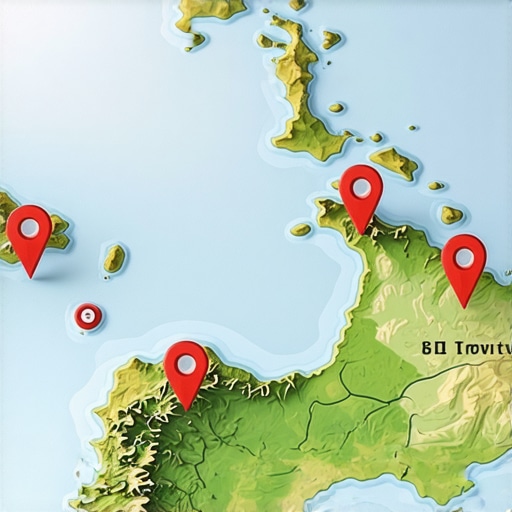
Think of your service areas as a map with pins; each pin strategically placed can significantly influence your rankings. For instance, if you operate primarily in Honolulu but also serve nearby communities like Makiki, add both to your service area list. Avoid overreaching by listing regions you don’t serve; Google frowns upon misleading information, which can hurt your visibility. Fine-tuning these areas signals to Google precisely where your physical presence, or at least your service reach, lies. For a detailed walkthrough, explore our guide on fixing your Hawaii GMB profile.
Update and Verify Your Service Areas Regularly
Consider your service area settings as a living map—designed to evolve with your business. Regular updates keep your profile accurate and signal activity to Google, which tends to favor active listings. Schedule quarterly reviews—checking for any new neighborhoods or regions you now serve. When you expand into a new Maui suburb or scale back in Ko Olina, ensure these changes are reflected immediately. Verification isn’t just a one-time step; revisiting your settings maintains your spot in the Hawaii map packs, especially as Google continues refining its algorithm in 2026. I once overlooked this during a busy season, and within weeks, my rankings slipped—prompt updates reversed that trend.
Leverage Local Citations in Hawaii
Building citations—mentioning your business on local directories—is like planting signposts along Hawaii’s highways, guiding customers directly to you. Focus on reputable platforms like local Hawaii directories and industry-specific listings that target Honolulu SEO. Ensure your NAP (Name, Address, Phone) matches exactly across all listings. Discrepancies can confuse Google and dilute your local signal, hampering your rankings. I found that updating these citations to reflect my precise service zones correlated with an immediate boost in map pack visibility.
Integrate Hyperlocal Content
Besides setting service areas, embedding relevant content such as blog posts or FAQs about specific Honolulu neighborhoods can serve as digital landmarks, making your profile more authoritative in local searches. For example, writing about ‘Best Waterfront Venues in Honolulu’ signals local expertise and aligns your profile with hyperlocal queries. These contextual signals help Google associate your business with community-specific searches, elevating your Hawaii maps ranking. Over time, I started including neighborhood-specific keywords, which remarkably increased local traffic and engagement.
Incorporate Customer Feedback Within Service Areas
Encouraging reviews from clients in your targeted communities boosts your profile’s trustworthiness and relevance in those zones. As reviews mention local landmarks or neighborhoods naturally, they reinforce your service area’s accuracy in Google’s eyes. I personally reached out to satisfied clients in Kailua to leave reviews mentioning specific locations—this tactic helped solidify my presence in those map results and attract similar local prospects.
Remember, continuous refinement of your service area settings isn’t a set-and-forget task. It requires ongoing attention, tracking performance metrics, and adjusting as your business scales or shifts focus within Hawaii. These core techniques, when executed with precision, can transform your Google Maps visibility in 2026 and beyond.
Many businesses assume that optimizing their Google My Business (GMB) profiles or focusing solely on traditional SEO tactics guarantees local map success. However, in my experience working with Honolulu and wider Hawaii businesses, a common myth persists: that simply claiming a profile and filling in basic details is enough. This misconception can lead to costly mistakes, especially in the highly competitive Hawaii maps ranking environment. One prevalent error is ignoring the nuances of Google’s evolving algorithm signals, such as engagement metrics and localized content relevance, which play a pivotal role in 2026 and beyond. For instance, relying solely on keyword stuffing or generic citations dilutes your profile’s strength instead of boosting it. Experts like Moz have highlighted that Google’s ranking factors now prioritize user-centric signals, making advanced, nuanced strategies crucial for local dominance.“,
Maintaining Your Local SEO Edge: Tools and Methods
To stay ahead in Hawaii’s competitive market, leveraging the right tools is crucial. I personally rely on Hawaii maps ranking tips and advanced analytics platforms like BrightLocal to monitor my local visibility periodically. These tools provide actionable insights, helping me identify drops in rankings early and adjust strategies proactively.
Another indispensable asset is Google’s own Google Business Profile optimization guide. It walks you through nuanced updates that align your profile with evolving algorithm signals, essential for long-term success.
Moreover, I integrate citation management tools like Whitespark to ensure my NAP data remains consistent across directories—a common hurdle that can dilute your local SEO efforts. Regularly auditing your business listings prevents discrepancies, which, according to Moz’s algorithm correlation studies, can significantly impact local pack visibility. (Check out Moz’s recent study on local SEO factors for more insights.)
For content updates, including neighborhood-specific blogs, I use SEMrush’s content analyzer to track relevant keywords and topics that resonate with local audiences. This continuous content revitalization keeps your profile fresh and authoritative. As Google emphasizes recent activity in its mastering local SEO in Hawaii article, maintaining an active online presence signals relevance to the algorithm.
How do I keep my Honolulu SEO efforts sustainable over time?
Consistency is key. Regularly update your service areas, refresh your citations, and monitor reviews with the help of these tools. I recommend setting quarterly reviews using your analytics dashboards to catch any dips early. This disciplined approach is vital because Google’s algorithms are dynamic, as highlighted by Google’s own official documentation on map rankings. Staying informed about these updates allows you to adapt strategies swiftly and avoid ranking erosion. In my experience, combining automation with manual oversight creates a resilient local SEO setup that withstands algorithm fluctuations and ensures sustained visibility in Hawaii’s bustling markets. Take the time today to integrate one of these tools into your routine; small adjustments now can lead to dominating your local maps later.
What the Obstacles Taught Me About Genuine Optimization
One of the most profound lessons I learned was that shortcut tactics might boost rankings temporarily but won’t sustain your visibility in the long run. Real progress came when I focused on aligning my service areas accurately and providing hyperlocal content that resonated with Honolulu residents. This shift in mindset emphasized authenticity over quick wins.
Finding the Balance Between Automation and Personal Touch
While tools like BrightLocal and SEMrush are invaluable, I realized that manual engagement—responding to reviews and updating profiles—cements your presence as a community-oriented business. Technology complements effort, but genuine interactions build trust and loyalty among local customers.
The Power of Community-Centric Content
Creating neighborhood-specific blog posts and FAQs made my business a part of the community fabric. These efforts improved my local relevance in Google’s eyes and attracted customers searching for services exactly in my service zones. Authentic content rooted in local interest can outperform generic SEO tactics.
My Toolkit for Maintaining Local Prosperity
Staying ahead demands the right resources. I rely heavily on Google’s official Google Business Profile optimization guide to stay updated on new features and best practices. Whitespark helps manage citations seamlessly, ensuring consistency that Google values. Additionally, community-driven platforms like local Hawaii directories provide high-quality backlinks and trust signals that boost rankings.
What’s Next for Local SEO in Hawaii?
As Google continues refining its algorithms, adapting through continuous learning and community engagement becomes vital. Embracing transparency, providing accurate service area data, and fostering genuine customer relationships will keep your Hawaii business thriving amidst the evolving landscape of maps rankings.
Your Next Move Starts Today
Remember, the journey to dominating Hawaii’s local maps begins with authentic efforts and strategic patience. By implementing these insights, you’re positioning your business for sustained visibility and growth in 2026 and beyond. Stay consistent, stay engaged, and let your local expertise shine through every update.
Have you faced challenges in defining your service areas or generating hyperlocal content? Share your experiences below—I’d love to hear what’s worked for you!