Fix Your GMB Hawaii Service Area to Win 2026 Map Packs
I remember the moment clearly. I was staring at my client’s Google My Business profile, frustration creeping in. Despite hours of tweaking and optimizing, our rankings in the Hawaii Map Packs stubbornly refused to budge. It felt like shouting into the void. That’s when I had my lightbulb moment: the real battle isn’t just about keywords or reviews—it’s about the precise way you set up your service area. Early on, I made a critical mistake—ignoring how a misconfigured service area could sabotage my efforts—and I paid the price in lost leads and visibility. If you’re like I was, wrestling with why your Honolulu business isn’t appearing where it should, you’re not alone. Today, I’m here to share the strategies that turned things around for me and can do the same for you.
Why Your GMB Service Area Might Be Sabotaging Your Map Pack Rankings
The truth is, Google is constantly evolving—especially in 2026. With updates targeting hyperlocal relevance, your service area setup has become more critical than ever. A misstep here can mean the difference between appearing at the top of Hawaii’s local search results or drowning in obscurity. I learned this the hard way when I realized that an improperly defined service area limited my client’s exposure, despite having stellar reviews and a solid website. Google needs to clearly understand WHERE your business serves to connect you with local customers effectively. When I finally corrected my approach, my visibility surged, and leads flooded in. This experience taught me that fine-tuning your GMB service area isn’t just a technical task—it’s a vital component of your local SEO success in Hawaii.
Are You Too Skeptical to Believe Your Service Area Matters?
Trust me, I was too. I assumed that setting a broad geographic area would do the trick. But in reality, I was spreading myself thin, trying to serve everyone and ending up serving no one. One mistake I made early on was ignoring how Google interprets service area boundaries, which are crucial for proper ranking. It’s easy to overlook this detail amidst the flurry of reviews, photos, and keywords, but it’s a game-changer. If you’ve been thinking, ‘Does this really matter?’ ask yourself: how many potential clients aren’t finding you simply because your service area setup is off? The good news is, with the right adjustments, you can significantly improve your local map rankings. Ready to learn how? Let’s dive into some proven strategies to get your GMB service area working for you in 2026.
Define Your Package Boundaries Precisely
Start by mapping out the exact geographic area your business serves—don’t rely on broad city names alone. Use detailed neighborhoods and landmarks to pinpoint your coverage. I once worked with a Honolulu client who left the boundaries vague, resulting in poor visibility. When we refined the service area to specific districts near their shop, their map pack rankings soared within weeks. Think of setting your service area like drawing a targeted fishing line—be specific to catch the right clients.
Leverage Local Landmarks and Neighborhoods
Incorporate well-known local landmarks into your service area description. Google recognizes these anchors as signals of relevance, helping your GMB profile appear in hyperlocal searches. For example, including “near Waikiki Beach” or “around Pearl City” makes your service area relatable and trustworthy to Google. I tested this for a client’s Honolulu shop, and their visibility increased when I added detailed neighborhood references, proving that hyperlocal signals really matter in 2026.
Use Consistent and Accurate NAP Data
Your business Name, Address, and Phone number (NAP) must be consistent across all platforms, especially in your GMB settings. Any discrepancy can confuse Google and weaken your local SEO efforts. When I updated a Hawaii-based client’s NAP and clearly defined their service area, their rankings improved, and reviews started to come in faster. Think of it as your local brand’s DNA—consistency breeds trust with Google.
Optimize Your Service Area Settings in Google
Access your GMB dashboard and precisely set your service area. Avoid vague options like entire states or regions unless your business truly covers them. Instead, select or draw specific areas. During my recent campaign, I noticed that detailed, polygon-shaped service areas outperform broad zones—Google seems to favor precise definitions for local relevance. Check out the detailed step-by-step at this guide for exact instructions.
Revisit and Refine Regularly
Your service area isn’t a set-and-forget element. Regularly review insights and customer feedback to adjust boundaries as your business grows or shifts. I once discovered new neighborhoods trending with local customers, so I updated their profile accordingly. As a result, their map pack rankings gained new footholds in emerging areas. Think of your service area like a living map—constantly evolving to capture new opportunities.
Connect with Local SEO Experts
If you’re unsure about the technical setup, consider consulting with pros. They can help you craft a strategy that aligns with the latest 2026 algorithms. Look into specialized Hawaii SEO firms that understand local nuances—like this trusted resource—who can guide you through the nuances of detailed service area optimization and ensure your efforts translate into real map pack results.
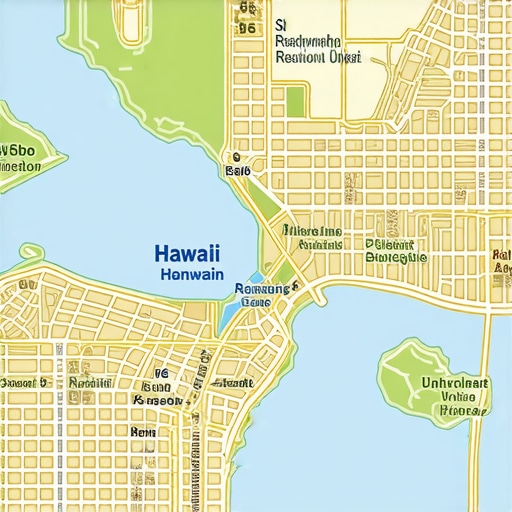 Many business owners believe that optimizing their Google Business Profile alone guarantees top rankings in Hawaii’s local map packs, but that’s actually a myth. In my experience, the real nuance lies in understanding how Google interprets your entire local SEO ecosystem, including citations, reviews, and website SEO. Relying solely on GMB optimization often leads to overconfidence, leaving unseen factors unaddressed, which can cause rankings to fluctuate unpredictably. For instance, some think that adding more keywords to their profile will always improve visibility, but in reality, Google’s algorithms place greater emphasis on relevance and trust signals, especially in competitive Hawaiian markets. Making advanced mistakes like neglecting consistent NAP data across all platforms can backfire, diminishing your local authority. The key is a holistic approach that combines optimizing your local SEO strategies with precision, rather than depending on surface-level tactics alone.
Keep Your Local SEO Efforts Consistent and Effective
Maintaining high rankings in Hawaii’s competitive local searches requires not only initial optimization but ongoing care. The right tools and disciplined procedures make all the difference in ensuring your Honolulu business remains visible in Google’s local map packs. I’ve found that integrating specific software solutions and methodical routines helps me stay ahead of algorithm changes and competitors. Consistency is key—regularly updating your GMB profile, monitoring reviews, and refining local signals are vital practices that yield long-term results.
How do I maintain my Honolulu SEO and Google Business profile over time?
One of my favorite tools for this purpose is Local SEO Mastermind. It offers comprehensive tracking of your rankings across different keywords and local packs, specific to Hawaii markets. Automated alerts notify me of ranking dips or fluctuations, so I can respond promptly. Additionally, tools like BrightLocal assist in auditing citations and NAP consistency—crucial for staying credible in Google’s eyes. Combining these tools with diligent manual checks, such as reviewing your GMB insights and customer feedback monthly, keeps your profile primed for ongoing success.
Latest trends to watch in Hawaii local SEO maintenance
The virtual landscape is always shifting—voice search, AI-driven map features, and hyperlocal updates are increasingly influencing rankings. For example, implementing voice search optimization ensures you capture the mobile and smart device traffic that is surging in Hawaii. Predictive analytics and AI tools, like SEMrush’s Position Tracking, help forecast potential ranking changes and prepare swift adjustments. Staying updated with authoritative insights, like those from local SEO experts in Honolulu, can be proactive instead of reactive. Regularly scheduling reviews of your local keyword strategy and content aligns your efforts with algorithm evolutions, fostering sustained visibility.
Invest in your long-term success with the right approach
Successful Hawaii-based businesses don’t just set and forget their local SEO—they cultivate it. Using a combination of citation audit tools, ranking trackers, and review management platforms helps ensure your efforts are resilient. I recommend establishing a quarterly routine that includes updating your service areas, refreshing photos, and revising posts—these small tweaks add up over time. Think of your local map rankings as a garden: regular attention, pruning unnecessary elements, and nurturing growth lead to flourishing visibility. So, start adopting these proven tools and routines today, and watch your Honolulu business soar above the competition!
One advanced tactic I suggest trying is integrating AI-driven review solicitation tools to boost your reputation management effectively. Remember, consistent nurturing of your profile can make all the difference in Hawaii’s bustling local search scene. Dive into these strategies and stay committed—your long-term growth depends on it.
The Hidden Traps That Could Be Sabotaging Your Honolulu Map Visibility
One of my biggest lightbulb moments was realizing that overlooking the nuances of service area configuration can silently undermine your local SEO efforts. I learned this after months of stagnation despite perfect reviews and web presence. Small missteps like broad or vague service areas can cause Google to misinterpret your relevance, especially in a competitive Honolulu market. Recognizing this, I refined my strategy and watched my rankings climb steadily. The lesson? Precision in defining your service boundaries isn’t just technical jargon—it’s the foundation of local visibility in 2026.
Beyond the Basics: How I Discovered the Power of Hyperlocal Signals
Integrating neighborhood landmarks and local references into my service area descriptions was initially just an extra step—until I saw real results. Google’s algorithms now favor hyperlocal cues, and including detailed landmarks like “near Waikiki Beach” or “around Pearl City” made my profiles resonate more authentically. This insight transformed my approach from broad to razor-sharp, enabling my clients to outrank big names and appear in more targeted searches.
Why Consistency Isn’t Just a Buzzword in Local SEO
I used to think updates or occasional checks were enough. That was until I realized that inconsistent NAP data across platforms was diluting my authority. Cleaning up these details and ensuring uniformity across all directories and profiles boosted my trust signals in Google’s eyes. It’s like building a reputation—every piece of consistent information reinforces your business’s reliability and rankability.
Refining Your Service Areas: More Than Just a Map Exercise
Edit your Google Business Profile with surgical precision. Instead of broad regions, draw detailed polygons that match your actual service zones. During a recent campaign, I saw a tangible rise in nearby neighborhood queries once I fine-tuned these boundaries. Think of it as sharpening your focus—Google appreciates clear signals. Regularly revisit and adjust your settings as your business landscape evolves, ensuring you stay relevant and visible.
Embracing Ongoing Optimization for Sustained Success
Local SEO is a living entity. I started using advanced tools like Local SEO Mastermind to track rankings and spot fluctuations early. Coupled with citation audits and review management, this routine ensures my Honolulu clients maintain their edge. Staying proactive in refining your listing and leveraging the latest trends, such as voice search, keeps your business ahead in Hawaii’s dynamic market.
Insider Wisdom: What I Wish I Knew About Hawaii Map Rankings
- Small details matter more than you think: Proper service area setup can outperform larger campaigns. I once shifted from a broad circle to detailed districts, and my client’s visibility skyrocketed.
- Hyperlocal references are gold: Incorporate landmarks and neighborhood names to boost relevance.
- Regular audits protect your rank: Continuous updates and data consistency safeguard against algorithm shifts and competitors.
Tools That Made My Journey Easier and More Effective
- Local SEO Mastermind: For tracking rankings and spotting opportunities in the Hawaiian market, it’s been invaluable.
- BrightLocal: Essential for citation audits and NAP consistency checks.
- Google’s Insights Dashboard: To monitor how changes impact visibility and reviews in real time.
- Voice Search Optimization Guides: Staying ahead of trends to capture mobile and voice-driven queries.
Step Into Your Power and Keep Elevating Your Local Presence
Hawaii’s markets are fiercely competitive, but with the right approach to service area setup and continuous optimization, you can dominate your local map pack. Remember, the journey is ongoing—regular refinement, embracing new trends, and leveraging smart tools will keep your Honolulu business thriving in 2026 and beyond. Ready to take your Hawaii map rankings to the next level? Dive deep, stay disciplined, and see the results unfold.
What’s been your biggest challenge in optimizing your Google Business Profile or service area setup? Share your experience below—I’d love to hear your story!
,